Two Types Of Die-casting And The Advantages Of Die-casting
2021-11-08
What is Die Casting
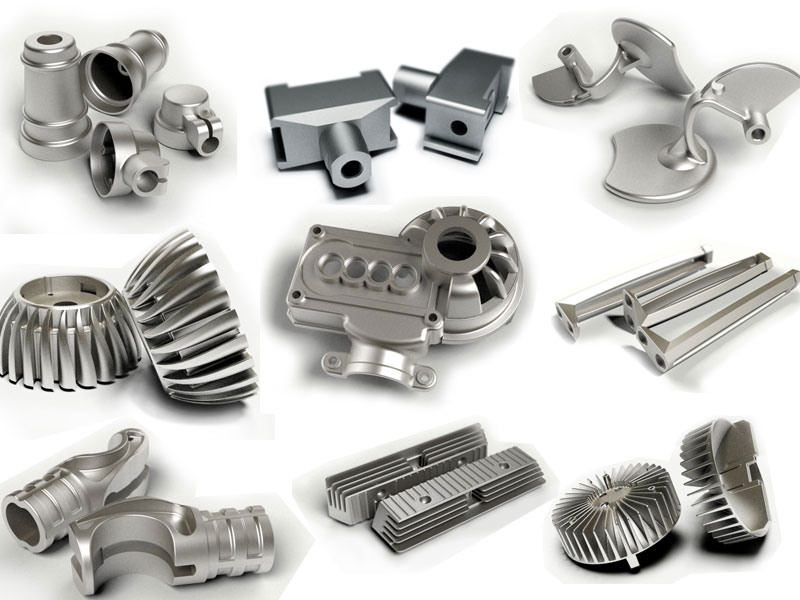
Die casting is a metal casting process that is characterized by forcing molten metal under high pressure into a mold cavity, consisting of two machined and hardened tool steel dies. Most die castings are made from non-ferrousmetals, specifically zinc, copper, aluminium, magnesium, lead, pewter and tin-based alloys. Depending on the type of metal being cast, a hot- or cold-chamber machine is used.
Two Types of Die Casting
There are two basic types of die casting machines:
Hot-chamber machines
Cold-chamber machines
These are rated by how much clamping force they can apply. Typical ratings are between 400 and 4,000 st (2,500 and 25,400 kg).
Hot–Chamber Die Casting
The hot-chamber process is applicable only for zinc and other low melting point alloys that does not affect and erode metal pots cylinders and plungers.The molten metal for casting is placed in the holding furnace at the required temperature adjacent to(sometimes as part of the machine itself) the machine. The injection mechanism is placed within the holding furnace and most of its part is in constant touch with the molten metal. When pressure is transmitted by the injection piston, the metal is forced through the gooseneck into the die. On the return stroke, the metal is drawn towards the gooseneck for the next shot.This process ensures minimum contact between air and the metal to be injected. The tendency for entrainment of air in the metal during injection is also minimised.
Cold–Chamber Die Casting
The difference of this process with the hot-chamber process is that the injection system is not submerged in molten metal. On the contrary, metal gets transferred by ladle, manually or automatically, to the shot sleeve. The metal is pushed into the die by a hydraulically operated plunger. This process minimises the contact time between the injector components and the molten metal. Which extends the life of the components. However the entrainment of air into the metal generally associated with high-speed injection can cause gas porosity in the castings. In the cold chamber machine, injection pressures over 10,000 psi or 70,000 KPa is obtainable. Generally steel castings along with aluminium and copper based alloys are produced by this method.
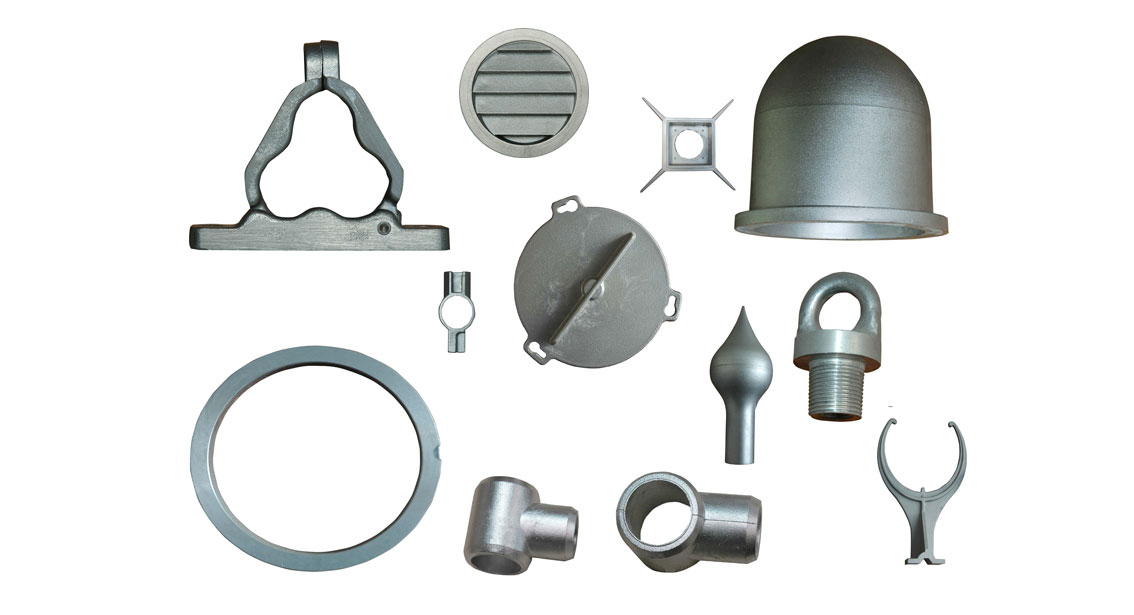
Advantages of Die Casting
Excellent dimensional accuracy (dependent on casting material, but typically 0.1 mm for the first 2.5 cm (0.005 inch for the first inch) and 0.02 mm for each additional centimeter (0.002 inch for each additional inch).
Smooth cast surfaces(Ra 1–2.5 micrometres or 0.04–0.10 thou rms).
Thinner walls can be cast as compared to sand and permanent mold casting (approximately 0.75 mm or 0.030 in).
Inserts can be cast-in (such as threaded inserts, heating elements, and high strength bearing surfaces).
Reduces or eliminates secondary machining operations.
Rapid production rates.
Casting tensile strength as high as 415 megapascals (60 ksi).
Casting of low fluidity metals.
| HOT CHAMBER DIE CASTING | COLD CHAMBER DIE CASTING |
| Die casting alloy is melted in a furnace located within the equipment | Die casting alloy is melted in a separate furnace located outside the equipment |
| Casting cycles are significantly shorter, thus has a higher production capacity | Has longer casting cycles; thus, the production capacity is less |
| Suitable for low melting point alloys | Suitable for high melting point alloys |
| Offers longer tool life | Has shorter tool life |
| Requires minimum safety measures | Requires more safety measures |
| Commonly used metal alloys include Zinc, lead and etc. | Commonly used metal alloys include Aluminum, Copper, Brass,Magnesium, etc. |
Recent Posts